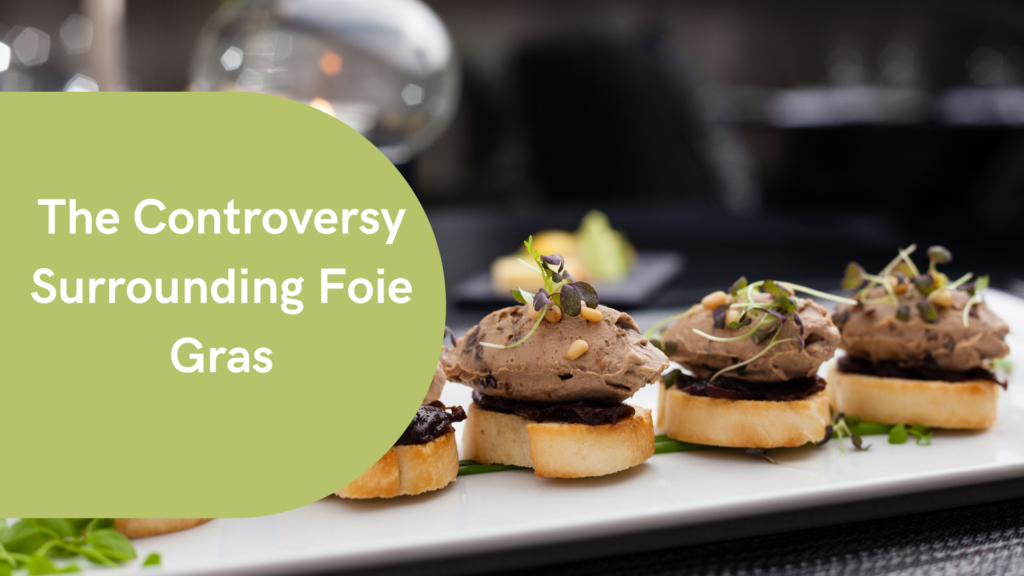
Foie gras, a delicacy enjoyed by many food enthusiasts around the world, has long been the subject of intense debate and controversy. Animal rights groups argue that the process of producing foie gras is inherently cruel and inhumane, raising concerns about the ethical implications of its production methods. In this blog post, we will explore the concerns raised by animal rights advocates regarding the production of foie gras and delve into the various perspectives surrounding this contentious issue.
Understanding Foie Gras Production:
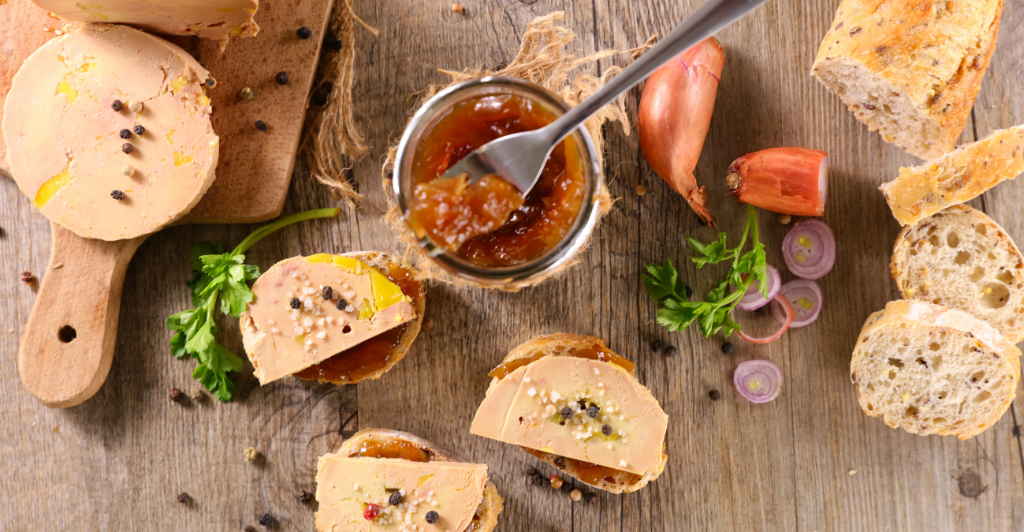
Foie gras, which translates to “fatty liver” in French, is traditionally made from the liver of ducks or geese. The unique characteristic that distinguishes foie gras from other types of liver is its exceptional tenderness, which is achieved through a process known as “gavage.”
The gavage technique involves force-feeding the birds using a feeding tube or a funnel, which is inserted into their esophagus. Over a period of several weeks, the birds are fed a high-calorie diet, typically consisting of a mixture of corn, grains, and fats. This results in the liver becoming engorged with fat, thus producing the desired creamy and buttery texture of foie gras.
Animal Rights Concerns:
Animal rights organizations, such as PETA (People for the Ethical Treatment of Animals) and the Humane Society, vehemently oppose the production of foie gras due to the perceived cruelty associated with the gavage process. Their primary concerns revolve around the welfare and well-being of the animals involved.
Critics argue that force-feeding birds in this manner leads to several adverse effects, including physical discomfort, injury, and potential damage to internal organs. They contend that the forceful introduction of food can cause stress, inflammation, and liver disease in the birds, which ultimately results in the formation of the prized fatty liver.
Moreover, animal rights advocates argue that the conditions in which the birds are raised and confined can be cramped and unsanitary, further compromising their welfare. They raise concerns about the lack of space for natural movement, the restriction of social interactions, and the potential for mistreatment or neglect.
Responses from the Foie Gras Industry:
Proponents of foie gras production maintain that the process, when carried out responsibly and within certain guidelines, is not inherently cruel. They argue that birds possess a unique physiological adaptation that allows them to store large amounts of fat in their liver, making the process of force-feeding less distressing than it may appear.
Some foie gras producers adhere to specific regulations and codes of practice to ensure the birds are treated humanely. They emphasize the importance of providing clean and spacious housing, regular veterinary care, and monitoring of the birds’ health and behavior. These producers contend that when done correctly, force-feeding is not painful for the birds and does not cause lasting harm.
The Debate and Legislative Actions:
The controversy surrounding foie gras has led to various responses from governments and lawmakers worldwide. In some regions, the production and sale of foie gras have been banned entirely. Countries such as Argentina, Germany, Israel, and several states in the United States have implemented legislation to prohibit or restrict its production due to animal welfare concerns.
However, the debate continues, with opponents arguing that outright bans are unnecessary and that improved regulations and enforcement would be a more effective solution. Supporters of the industry claim that foie gras production supports local economies, preserves culinary traditions, and should be allowed to continue under strict guidelines to ensure animal welfare.
The production of foie gras remains a highly contentious issue, with strong arguments presented on both sides. Animal rights advocates insist that the gavage process is inherently cruel and that the production of foie gras should be abolished entirely. Meanwhile, proponents argue that with proper regulation and oversight, the industry can operate humanely and responsibly.
As discussions and legislative actions surrounding foie gras persist, finding a balance between culinary traditions, animal welfare, and consumer demand becomes crucial. It is essential to continue exploring alternative production methods that prioritize the ethical treatment of animals, ultimately leading to a more sustainable and compassionate food industry.