Raising backyard chickens is a rewarding experience that provides fresh eggs, a natural pest control system, and hours of entertainment. However, with this privilege comes the responsibility of keeping your flock healthy. One of the biggest challenges of raising chickens is preventing common illnesses that can affect their overall health and egg production. In this blog post, we’ll provide you with tips and strategies for keeping your flock healthy and happy, so you can enjoy the benefits of raising chickens for years to come.
Section 1: Creating a Clean Environment
One of the most important factors in preventing common chicken illnesses is maintaining a clean and sanitary environment for your flock. Chickens are susceptible to a variety of bacterial and viral infections, so it’s essential to keep their living area as clean as possible. Here are a few tips for creating a clean environment for your chickens:
Clean the Coop Regularly
Cleaning your chicken coop is essential for preventing diseases and infections. Chickens are prone to respiratory issues, and a dirty coop can lead to a buildup of ammonia and harmful gases, which can cause respiratory problems in your flock. Aim to clean the coop at least once a week, removing all bedding and debris and scrubbing all surfaces with a mild detergent and water.
Use the Deep Litter Method
The deep litter method is a popular way of keeping chicken coops clean and reducing the amount of work required to maintain them. This method involves adding fresh litter on top of the old bedding instead of removing it completely. The fresh litter absorbs moisture and ammonia, which helps to reduce odors and prevent the buildup of harmful bacteria.
Provide Adequate Ventilation
Proper ventilation is essential for maintaining good air quality in your chicken coop. Adequate ventilation will help to remove harmful gases and reduce the risk of respiratory infections. It’s essential to strike a balance between good ventilation and protecting your chickens from drafts, so be sure to provide adequate ventilation without creating cold drafts in the coop.
Practice Good Biosecurity
Biosecurity refers to measures that are taken to prevent the spread of disease. Good biosecurity practices include quarantining new birds before introducing them to your flock, washing your hands before and after handling chickens, and keeping wild birds and rodents away from your coop.
Section 2: Providing Proper Nutrition and Hydration
Chickens require a balanced diet and plenty of clean water to maintain good health. Providing your flock with high-quality feed and access to clean water is essential for preventing common chicken illnesses. Here are a few tips for providing proper nutrition and hydration to your flock:
Choose the Right Feed
Chickens require a balanced diet that includes protein, carbohydrates, fat, vitamins, and minerals. There are many different types of chicken feed available, including pelletized feed, crumbles, and scratch grains. Choose a feed that is appropriate for the age and stage of your chickens, and ensure that it contains all of the necessary nutrients.
Provide Clean Water
Clean water is essential for keeping chickens healthy. Water helps to regulate body temperature, aid digestion, and transport nutrients throughout the body. Ensure that your chickens have access to clean water at all times, and clean their waterer regularly to prevent the buildup of harmful bacteria.
Offer Treats in Moderation
Chickens love treats, but too many treats can be detrimental to their health. Treats should be offered in moderation and should not make up more than 10% of your chicken’s diet. Some healthy treats include fruits, vegetables, and mealworms.
Section 3: Preventing Parasites and Disease
Parasites and disease can have a significant impact on the health of your flock. Fortunately, there are several steps you can take to prevent parasites and disease from affecting your chickens. Here are a few tips for preventing parasites and disease in your flock:
Implement a Deworming Program
Internal parasites such as worms can cause a range of health issues in chickens, including poor growth, decreased egg production, and even death. Implementing a deworming program can help prevent these issues. There are several deworming products available, including natural remedies and commercial dewormers. Consult with your veterinarian to determine the best option for your flock.
Practice Good Litter Management
Good litter management is essential for preventing external parasites such as mites and lice. These parasites can cause skin irritation, anemia, and poor egg production. Regularly inspect your chickens for signs of infestation, and treat them promptly if you notice any issues. Keeping the coop clean and dry can also help prevent infestations.
Vaccinate Your Chickens
Vaccination is an effective way to prevent several common chicken illnesses, including Marek’s disease and infectious bronchitis. Consult with your veterinarian to determine which vaccinations are appropriate for your flock, and follow the recommended vaccination schedule.
Practice Good Flock Management
Good flock management can help prevent the spread of disease. Isolate sick birds from the rest of the flock, and practice good biosecurity measures to prevent the introduction of disease into your flock. Additionally, consider reducing stress in your flock by providing adequate space and minimizing overcrowding.
Section 4: Monitoring Your Flock’s Health
Regular monitoring of your flock’s health is essential for preventing and detecting illnesses. It’s important to be familiar with the signs of common chicken illnesses, so you can take action promptly if you notice any issues. Here are a few signs to watch for:
Decreased Egg Production
A decrease in egg production can be a sign of several health issues, including nutritional deficiencies, disease, and stress. Keep track of your flock’s egg production, and consult with your veterinarian if you notice a significant decrease.
Abnormal Droppings
Changes in your chicken’s droppings can indicate a range of health issues, including parasitic infestations and digestive issues. Regularly inspect your chicken’s droppings, and consult with your veterinarian if you notice any abnormalities.
Respiratory Issues
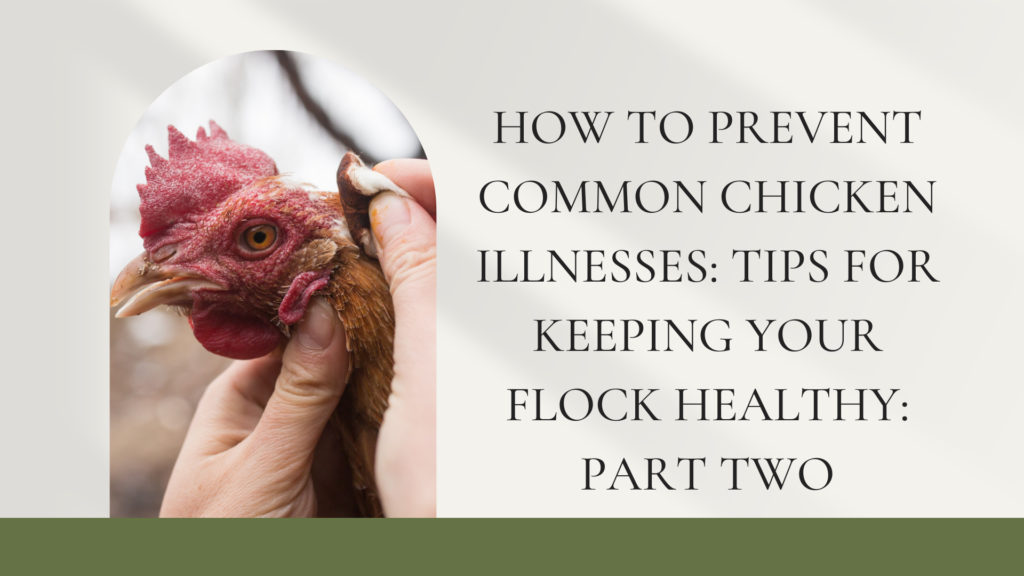
Respiratory issues are common in chickens and can be caused by a range of factors, including poor air quality, bacterial infections, and viral infections. Watch for signs of sneezing, coughing, and labored breathing, and consult with your veterinarian if you notice any issues.
Abnormal Behavior
Changes in your chicken’s behavior can indicate health issues, including stress, nutritional deficiencies, and disease. Watch for signs of lethargy, loss of appetite, and abnormal behavior, and consult with your veterinarian if you notice any issues.
Conclusion
Keeping your flock healthy is essential for their overall wellbeing and your enjoyment of raising chickens. By implementing the tips and strategies outlined in this blog post, you can prevent common chicken illnesses and ensure that your flock is happy and thriving. Remember to maintain a clean environment, provide proper nutrition and hydration, prevent parasites and disease, and monitor your flock’s health regularly. With a little effort and attention, you can enjoy the benefits of raising healthy and happy backyard chickens for years to come.